Reviews





The sooner drying starts, the less there is to repair. Our phones are answered around the clock, with same-day visits when available.
Every technician is IICRC certified and has handled appliance leak water damage many times. You get a clear plan before any work starts.
We look at the damage, explain what it needs and give you a written price before we start.
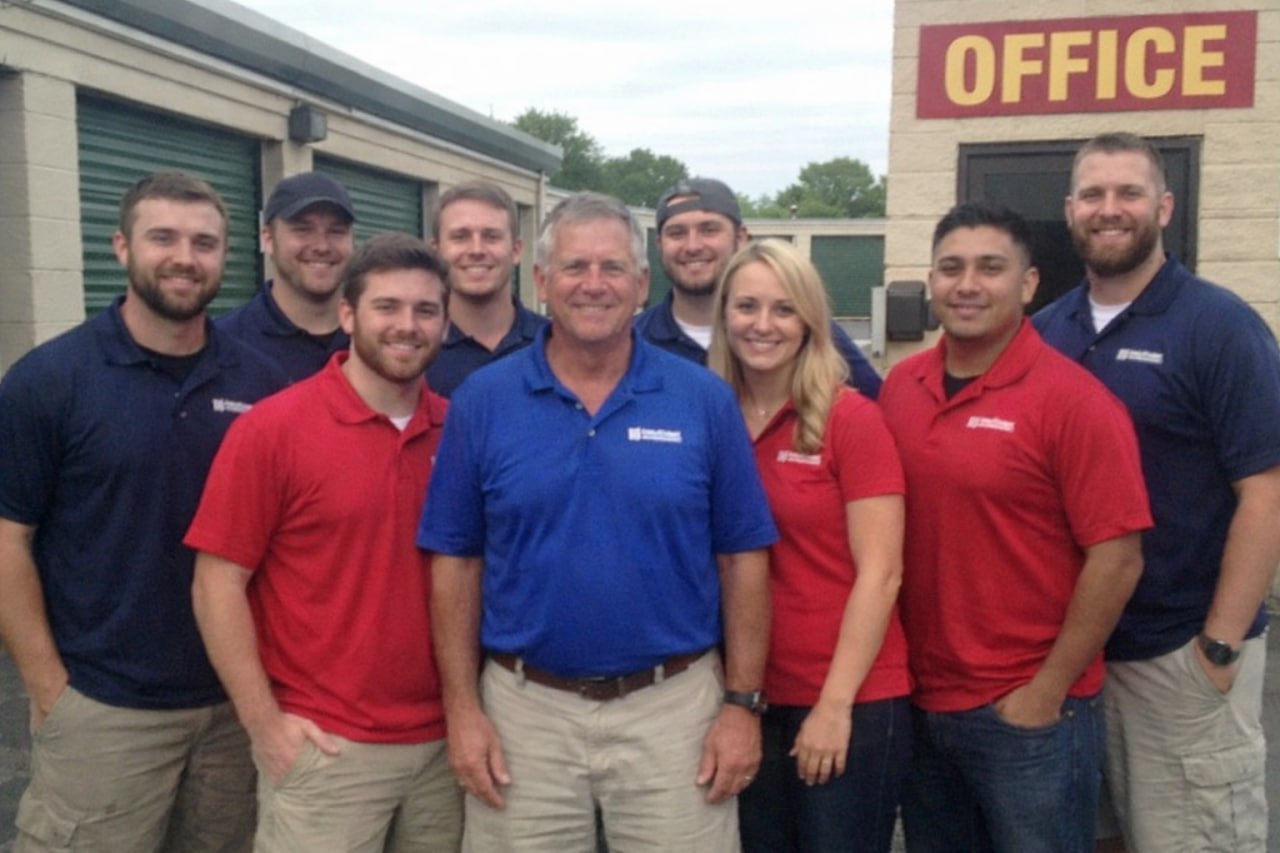
You do not have to work out how bad it is on your own. Call, tell us what you see, and a Fullerton technician will explain the next step and what it should cost.
Three appliances cause most of the leaks we see. Washer supply hoses can burst and keep spraying at full pressure until the valve is closed. Dishwashers usually leak a little at a time, at the drain hose or door seal, hidden beneath the cabinets. Behind a refrigerator, the thin tube feeding the ice maker may drip for months. Cleanup is different for each of them.
Our Fullerton crew starts by pulling the appliance out and finding where the water went. Kitchen leaks tend to end up beneath the cabinets and underneath the floor. With a laundry leak we look at the rooms next to it and the wall behind the washer, plus the ceiling below when the laundry sits on an upper floor. Then our team removes the standing water, meters the materials that soaked it up, and places equipment matched to the size of the damage.
Homeowners policies often cover sudden and accidental events, and a burst hose or a machine overflowing with no warning is that kind of event. The policy typically pays for the water damage, not for the appliance or the failed part. Slow seepage from a dishwasher or ice maker line is a harder claim, because gradual leaks usually are not covered. Certain insurers will want to know the hose's age and whether it was kept up. Before cleanup, take photos, save the failed part and read your policy.
For typical price ranges, see how much water damage costs in Fullerton.
The appliance is disconnected and moved, and the supply is confirmed off. Then thermal imaging and moisture meters show us where water went below flooring, under the cabinets and into the walls nearby.
Standing water is extracted from floors and carpet. To reach water caught below cabinets or under floating floors, our crew pulls toe kicks or takes up boards.
We set air movers and dehumidifiers and, where possible, dry cabinets and hardwood in place with directed airflow so they do not have to be torn out.
Any surface that dishwasher or washer discharge reached is treated with an antimicrobial. We take final moisture readings before the appliance goes back so it is not set on a damp floor.
The warm, dark space behind a refrigerator or dishwasher rarely gets checked. Long before it is discovered, a slow drip back there can be growing mold across the floor and wall.
Toe kicks and cabinet sides take on water from underneath when a dishwasher leaks. Swelling and separation follow, and for weeks the soaked cabinet boxes may trap moisture against the wall.
The ceiling under an upper floor laundry catches whatever water makes it past the floor above. Sagging, staining and soaked insulation above the drywall are the usual result.
Water slides beneath laminate, vinyl plank and hardwood. Boards cup or swell, and the subfloor underneath stays wet long after the surface looks dry.
Not seeing your question? Call and ask. It costs nothing to talk it through.
Call (810) 440-6679Don't wait for small problems to become expensive emergencies. Call Fullerton Restoration for fast, reliable service.
Call (810) 440-6679 Now